MEET OUR TEAM
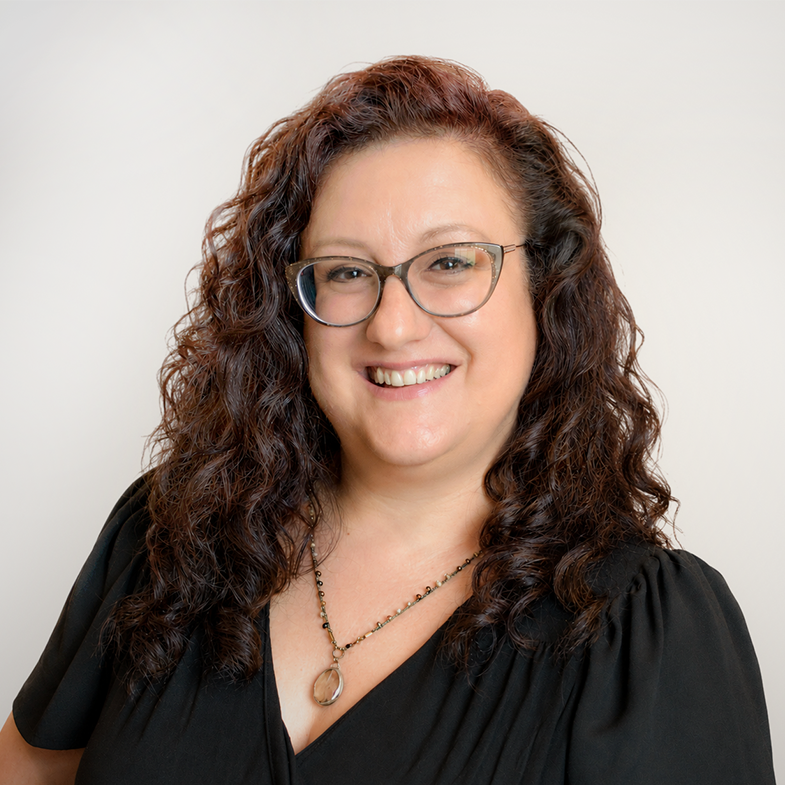
Dr. Julia Di Nardo
Psychologist and Co-Director
Hi there, I’m Dr. Julia Di Nardo, the Co-Founder and Co-Director of the Healing Tree Psychology and Wellness Centre. I've spent nearly twenty years sitting with people in some of the most painful and complex moments of their lives — and I still find it one of the most meaningful things I can do.
My approach is deeply attuned and intuitive. I pay close attention to what's happening beneath the surface — subtle shifts in energy, emotion, body language, and nervous system state — and I bring those observations into the room so we can name them and work with them directly. I've been told that people feel profoundly seen in our work together, and that matters enormously to me. Feeling truly understood is not a small thing. For many of my clients, it's something they've been waiting a long time for.
I'm direct — but I hold that directness with a lot of compassion. I don't shy away from the hard things, and I won't dance around the real issues out of discomfort. At the same time, I'm deeply mindful of pacing. Going toward difficult material before someone is ready doesn't help — it harms. So I'll be honest with you, and I'll be careful with you, in equal measure.
I can hold a lot. Pain, complexity, ambiguity, grief — I don't flinch from any of it. And I'm fiercely protective of the people I work with, particularly those who have experienced oppression, abuse, or systems that have failed them. That sense of justice runs through everything I do.
What I Work With
I trained as a Clinical Psychologist at Concordia University, where I completed my PhD in 2010. In the years since, the most significant shaping of my clinical philosophy has come not from my formal training, but from deep immersion in the fields of trauma and dissociation, Internal Family Systems, and the lived experience of being both a clinician and a human being navigating hard things.
Early in my career, I became known for my work with food and body image concerns — and that expertise remains a real and meaningful part of my practice. But as I've matured as a clinician, my focus has expanded significantly, following both my own evolving interests and the needs of the people who find their way to me.
Narcissistic abuse recovery — I work with people who have been in emotionally harmful, controlling, or manipulative relationships and are trying to make sense of what happened, reclaim their sense of self, and learn to trust their own perceptions again. Trauma and dissociation — I work at the more complex end of trauma presentations, including dissociative experiences and structural dissociation. This is territory I've invested in deeply, and where I feel most at home clinically. Neurodivergent adults — particularly those who were identified late, or not at all — including what are sometimes called "twice exceptional" adults, or former gifted kids who spent years wondering why life felt so much harder than it looked. I have a particular affinity for this population, in part because I recognize myself in many of them. When my son was going through the identification process, I came to understand that I, too, am neurodivergent — and that recognition changed both how I see my clients and how I understand my own life. I integrate Internal Family Systems (IFS), somatic and body-based approaches, polyvagal theory, and an understanding of structural dissociation — drawing on whatever the person in front of me needs rather than following a single protocol. A small selection of my post-graduate training includes: I don't believe in quick fixes, and I won't pretend the work is easy. But I do believe — genuinely, and from years of watching it happen — that real change is possible. Not just managing things better, but actually feeling different. Lighter. Freer. More like yourself. That's what we're working toward together. When I'm not working, you'll find me knitting, doing yoga, walking in nature, deep in a good book, or being supervised by my cat. I'm also a Co-Director of Healing Tree alongside my colleague Elena Grinevitch — and if you've read anything about how we work, you'll know that the line between professional and human is one we blur on purpose.How I Work
Outside the Office